12th February 2026
Is Rhinoplasty Right for You?
Deciding whether to undergo rhinoplasty is a highly personal choice. While many individuals explore the procedure to enhance facial balance or address nasal concerns, suitability depends on more than just appearance. A qualified nose specialist takes a comprehensive approach, evaluating medical, functional, and aesthetic factors before recommending treatment.
Understanding how specialists assess suitability can help individuals approach the consultation process with realistic expectations and confidence. From facial harmony to breathing function and emotional readiness, several elements play a role in determining whether rhinoplasty may be the right option.
Why a Specialist Assessment Is Essential
Rhinoplasty is one of the most technically demanding facial procedures. The nose plays a central role in both appearance and breathing, which means treatment must balance cosmetic refinement with structural integrity.
A professional assessment helps to:
-
Ensure the procedure is safe and appropriate
-
Identify functional issues that may require correction
-
Create realistic treatment goals
-
Develop a personalised surgical plan
-
Reduce the risk of complications or dissatisfaction
Rather than offering a one-size-fits-all solution, a specialist considers the individual as a whole.
Facial Proportions and Aesthetic Harmony
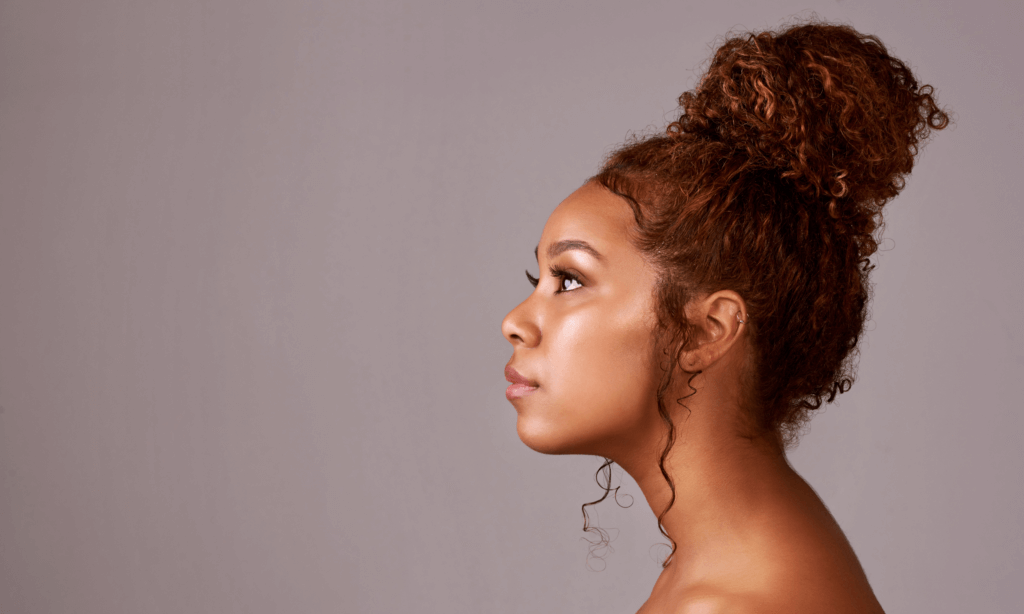
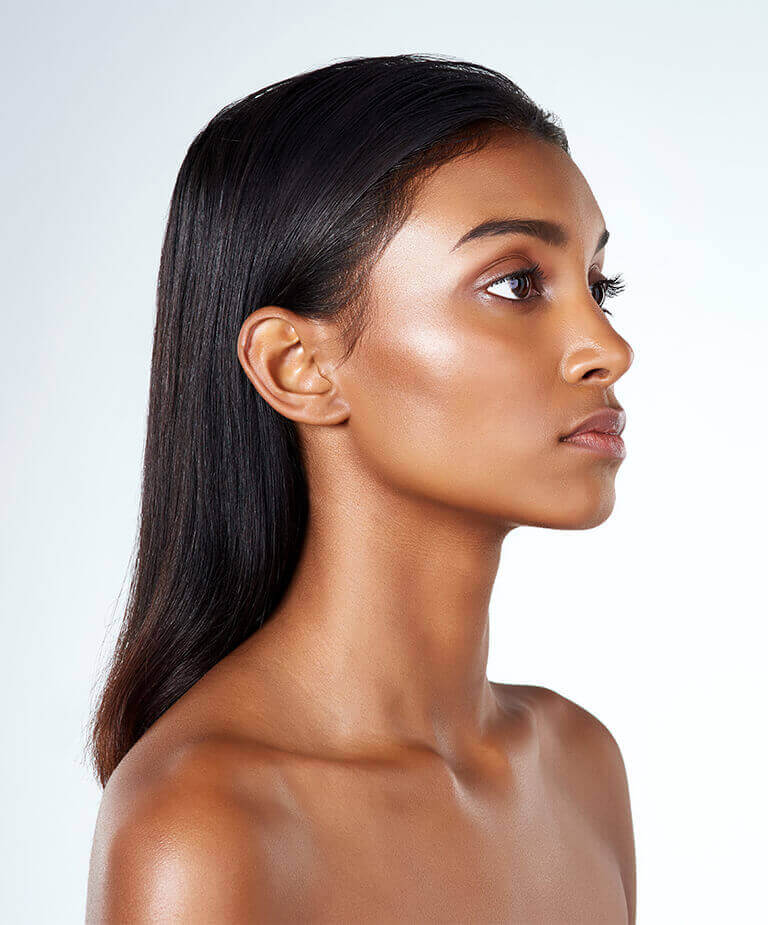
One of the first factors a nose specialist evaluates is how the nose fits within overall facial proportions. Small adjustments can make a significant difference to facial balance, which is why changes are carefully planned.
Areas often assessed include:
-
The relationship between the nose and chin
-
Profile alignment
-
Nasal width in relation to facial structure
-
Tip projection and bridge contour
-
Symmetry from multiple angles
The aim is to enhance natural features rather than create dramatic or artificial changes.
Nasal Structure and Skin Characteristics
Anatomy plays a significant role in determining what results are achievable. During consultation, a specialist evaluates both the internal and external structure of the nose.
This examination may involve:
-
Assessing cartilage strength and bone structure
-
Evaluating skin thickness and elasticity
-
Identifying previous trauma or surgery
-
Examining asymmetry or irregularities
These factors influence the surgical technique and help establish realistic expectations for outcomes.
Breathing Function and Nasal Health
Aesthetic improvements should never compromise breathing. Specialists carefully assess nasal function to ensure that any procedure supports or enhances airflow.
Functional evaluation may include:
-
Checking for a deviated septum
-
Identifying nasal valve collapse
-
Assessing airflow and breathing efficiency
-
Reviewing sinus health and chronic conditions
In many cases, functional corrections can be incorporated into cosmetic procedures to improve both form and function.
Personal Goals and Expectations
Understanding motivation is a key part of determining whether rhinoplasty is appropriate. Specialists encourage honest discussions about desired outcomes and personal reasons for seeking treatment.
During consultation, individuals may be asked about:
-
Specific aesthetic concerns
-
Features they would like to preserve
-
Desired level of change
-
Expectations about recovery and results
Realistic expectations are essential for long-term satisfaction.
Emotional Readiness and Lifestyle Considerations
Rhinoplasty is not just a physical procedure; it also requires emotional preparedness and commitment to recovery.
Specialists may consider:
-
Motivation for seeking treatment
-
Understanding of the healing process
-
Willingness to follow aftercare instructions
-
Availability of time for recovery
A thoughtful approach helps ensure that treatment is undertaken for the right reasons and at the right time.
Age and Physical Development
Facial growth and overall health influence suitability for rhinoplasty. Most specialists recommend that individuals wait until facial development is complete before undergoing surgery.
Other health considerations include:
-
General fitness and wellbeing
-
Smoking habits
-
Existing medical conditions
-
Medications that may affect healing
A full medical assessment helps ensure that surgery is performed safely.
Surgical vs Non-Surgical Options
Not every individual requires surgery to achieve their goals. A nose specialist may discuss both surgical rhinoplasty and non-surgical alternatives depending on anatomy and desired outcomes.
Surgical Rhinoplasty
Recommended for structural changes such as reducing size, reshaping bone, or correcting significant asymmetry.
Non-Surgical Rhinoplasty
Uses dermal fillers to temporarily improve minor irregularities or enhance symmetry without surgery.
An honest discussion of options allows individuals to make informed decisions.
Digital Planning and Visualisation
Many specialists use advanced imaging tools to help visualise potential outcomes. Digital simulations can provide a helpful reference during discussions about treatment goals and expectations.
These tools may:
-
Clarify aesthetic preferences
-
Enhance communication between the patient and specialist
-
Support realistic planning
It is important to remember that simulations are illustrative rather than guaranteed results.
Risks and Safety Considerations
Every surgical procedure carries potential risks. A responsible nose specialist provides clear information about complications, recovery, and long-term outcomes.
Possible risks may include:
-
Swelling and bruising
-
Infection
-
Asymmetry or irregular healing
-
Temporary breathing changes
-
Need for revision surgery
Transparent conversations about safety help individuals make confident, informed decisions.
Recovery Commitment
Recovery is a key factor when considering rhinoplasty. Specialists assess whether individuals can commit to the healing process, which may involve:
-
Time away from work or social activities
-
Avoidance of strenuous exercise
-
Follow-up appointments and monitoring
-
Patience while swelling subsides
Understanding recovery expectations helps ensure a smoother experience.
The Importance of Choosing the Right Specialist
The outcome of rhinoplasty is heavily influenced by practitioner expertise. A dedicated nose specialist understands the delicate balance between aesthetics and function.
When selecting a specialist, individuals may consider:
-
Training in nasal and facial surgery
-
Experience with diverse cases
-
Transparent consultation practices
-
Realistic communication about results
-
Evidence of natural-looking outcomes
Specialist care supports safer treatment and more predictable results.
Signs That Rhinoplasty May Be Suitable
Rhinoplasty may be worth exploring if individuals:
-
Feel self-conscious about nasal appearance
-
Experience structural or breathing concerns
-
Seek improved facial harmony
-
Have realistic expectations and good overall health
-
Are willing to follow professional guidance
Suitability is determined through professional assessment rather than online research alone.
When Rhinoplasty May Not Be Recommended
There are situations where surgery may be postponed or discouraged, including:
-
Unrealistic expectations
-
Active health conditions affecting healing
-
Ongoing facial development
-
External pressure rather than personal motivation
A responsible specialist prioritises patient wellbeing above all else.
FAQs
1. How does a specialist determine if rhinoplasty is suitable?
Through medical assessment, facial analysis, discussion of goals, and evaluation of nasal structure and breathing function.
2. Is rhinoplasty only for cosmetic reasons?
No. Functional issues such as breathing problems may also be addressed during treatment.
3. What age is appropriate for rhinoplasty?
Most specialists recommend waiting until facial growth is complete, typically in the late teens or adulthood.
4. Can non-surgical treatments replace surgery?
Non-surgical rhinoplasty may improve minor irregularities but cannot create structural changes.
5. How long does recovery usually take?
Most patients return to work within 1–2 weeks, with final results developing over several months.
6. Are results permanent?
Yes, surgical rhinoplasty results are generally long-lasting, although ageing may cause subtle changes.
7. What happens during a rhinoplasty consultation?
A specialist reviews medical history, examines the nose, discusses goals, and outlines treatment options.
8. Can rhinoplasty improve confidence?
Many individuals report increased confidence following treatment, although emotional outcomes vary.
9. Are digital simulations accurate?
They provide helpful visual guidance but are not guaranteed representations of final results.
10. What if I’m unsure whether surgery is right for me?
A consultation allows individuals to explore options and receive professional advice without obligation.
Final Thoughts
Determining whether rhinoplasty is the right choice requires a comprehensive evaluation of anatomy, health, expectations, and lifestyle. A qualified nose specialist considers all these factors to create a treatment plan that balances aesthetics, safety, and long-term function.
For individuals exploring nasal enhancement, the consultation process provides clarity and professional guidance tailored to unique needs and goals. Booking a consultation with a qualified nose specialist.